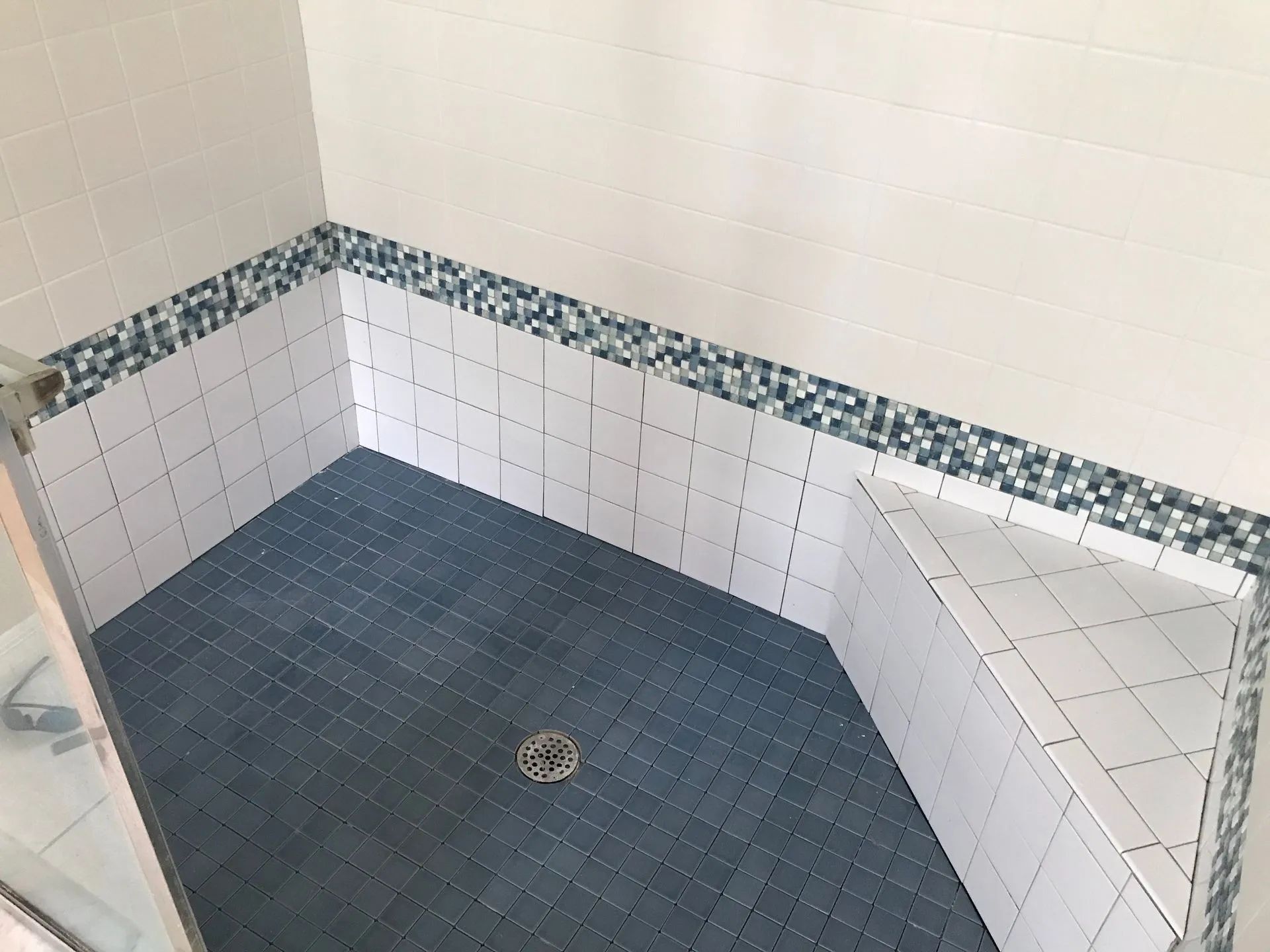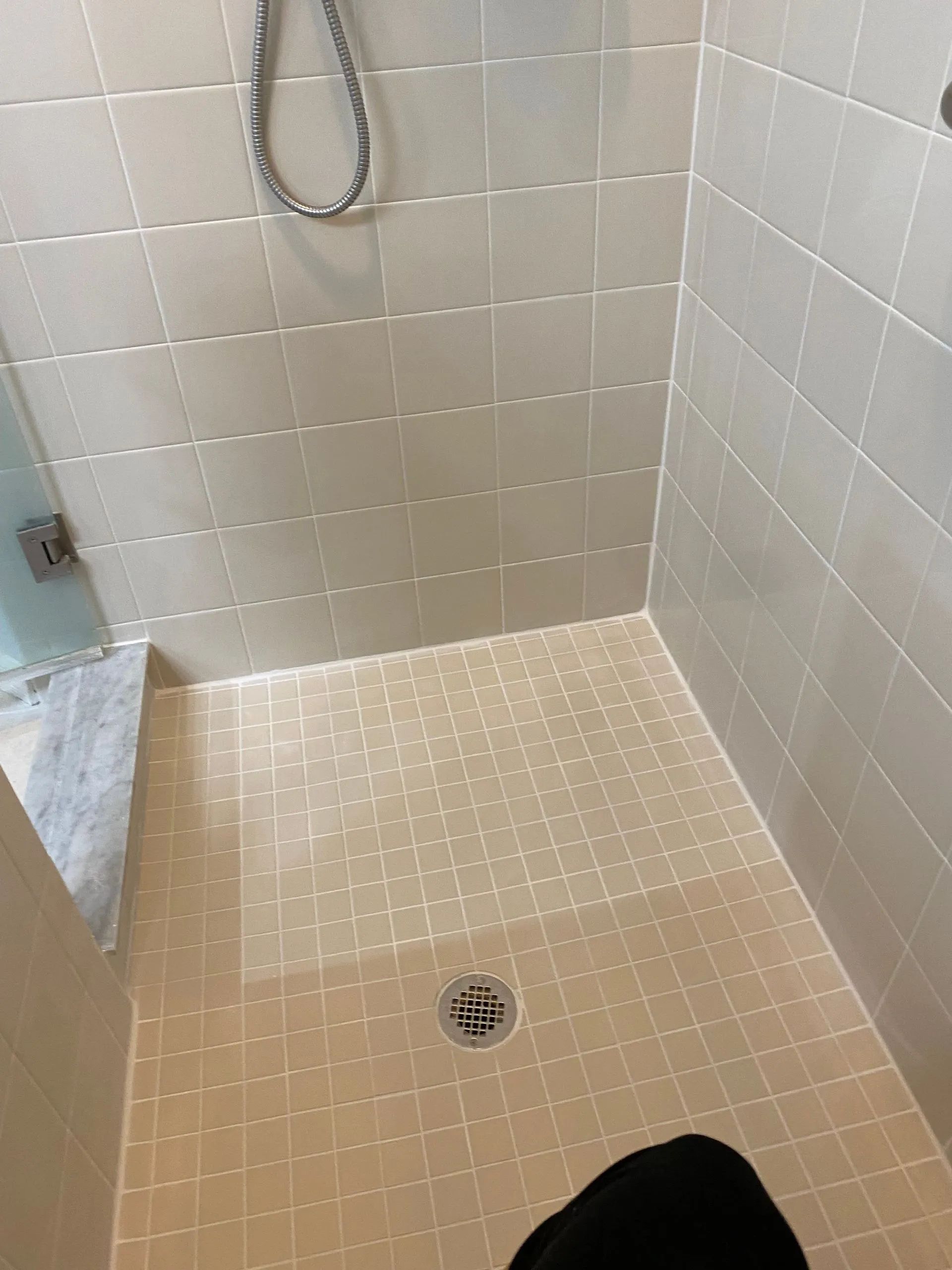
What to Expect During a Professional Grout Repair in Pasco County (And Why It's Easier Than You Think)
Tile surfaces play an important role in both residential and commercial properties because they influence appearance, cleanliness, durability, and long-term property value. Over time, grout lines begin showing signs of wear caused by moisture exposure, foot traffic, spills, cleaning chemicals, and natural aging. Cracked grout, discoloration, missing sections, and mold buildup often make floors and tiled walls appear older than they actually are. Many property owners assume grout repair requires expensive renovations, major demolition, or days of disruption. Modern grout restoration methods allow damaged grout lines to be repaired with less inconvenience than most people expect.
Professional grout repair has become increasingly important for property owners who want to protect bathrooms, kitchens, showers, entryways, and tiled flooring from long-term damage. Ignoring deteriorating grout may allow moisture to seep beneath tile surfaces, leading to mold growth, loose tiles, and structural concerns. Proper grout repair helps maintain cleaner surfaces while extending the lifespan of existing tile installations. Understanding the grout repair process helps property owners feel more confident before scheduling service and removes much of the uncertainty surrounding tile restoration projects.
Understanding Why Grout Repair Becomes Necessary
Common Causes of Grout Damage
Grout naturally experiences wear over time because it sits between tile surfaces and absorbs constant exposure to moisture, dirt, cleaning products, and temperature changes. Bathrooms, kitchens, laundry rooms, and entryways often experience the highest level of grout deterioration because these areas handle regular water exposure and daily traffic. Small grout cracks may appear harmless at first, but they often expand as moisture penetrates the surrounding material. Once grout begins weakening, dirt and bacteria settle into porous surfaces more easily, causing dark staining and uneven texture.
Signs That Professional Repair Is Needed
Several warning signs indicate grout repair should not be delayed. Crumbling grout, persistent discoloration, loose tile edges, mold growth, and visible cracking often signal deeper moisture problems beneath the tile surface. In showers and bathrooms, deteriorating grout may allow water to reach wall cavities or subflooring, creating conditions for mold development and structural damage. Another common sign involves tiles shifting slightly under pressure. When grout weakens, surrounding tiles lose part of the support system that helps maintain alignment.
Why Early Repairs Save Money
Addressing grout problems early often prevents far more expensive restoration work later. Minor grout cracks are usually easier and faster to repair before water intrusion damages underlying surfaces. Delayed maintenance may eventually require tile replacement, subfloor repairs, or mold remediation. Professional grout repair helps extend the life of existing tile surfaces while reducing the likelihood of larger structural concerns developing beneath bathrooms, kitchens, and flooring systems.
What Happens Before the Grout Repair Process Begins
Initial Inspection and Surface Evaluation
Professional grout repair usually begins with a detailed inspection of the tiled area. During this stage, we examine grout condition, tile stability, moisture exposure, existing sealants, and signs of hidden damage. Different tile materials require different restoration methods, so evaluating ceramic, porcelain, natural stone, and mosaic tile surfaces individually helps determine the safest approach.
The inspection also identifies areas where grout deterioration extends beyond surface staining. Moisture readings, loose tile detection, and visual evaluation help reveal whether sections require deeper repairs before new grout can be installed. In bathrooms and showers, special attention is given to corners, floor transitions, and heavily exposed moisture zones where deterioration commonly develops first.
Identifying the Right Repair Method
Not every grout problem requires full replacement. In many situations, targeted repairs restore grout appearance and structural integrity without disturbing surrounding tiles. Surface-level discoloration may only require professional cleaning and color sealing, while cracked or missing grout usually needs partial removal and reapplication.
Professional evaluation helps determine whether sanding, regrouting, resealing, or spot repairs provide the best long-term solution. Matching grout color and texture also plays an important role because uneven repairs may affect the appearance of the entire tiled surface. Skilled grout restoration focuses on blending repaired areas naturally with surrounding grout lines.
Preparing the Area for Service
Preparation helps ensure a smoother repair process and protects nearby surfaces from dust or debris. Furniture, rugs, decorative items, and portable bathroom accessories are typically removed before work begins. In some cases, surrounding surfaces are masked or covered to protect cabinetry, fixtures, and countertops during grout removal and cleaning.
One reason professional grout repair feels easier than expected involves the limited disruption compared to full tile replacement projects. Most repairs focus directly on damaged grout lines rather than demolishing large sections of flooring or walls. This targeted approach reduces downtime while allowing many spaces to remain partially usable throughout the project.
What to Expect During the Professional Grout Repair Process
Removing Damaged Grout
The repair process begins by carefully removing deteriorated grout from affected joints. Specialized tools help extract damaged grout while protecting surrounding tile edges from cracking or chipping. Precision matters during this stage because aggressive removal methods may damage tiles and create unnecessary repairs.
Dust control measures are often used to minimize airborne debris during grout removal. Modern equipment allows damaged grout to be removed more cleanly than many property owners expect. Depending on the size of the repair area, this process may take only a few hours for smaller bathrooms or kitchen sections.
Cleaning and Surface Preparation
Once damaged grout is removed, the tile surface and joints are cleaned carefully to eliminate dust, soap residue, mold, oils, and trapped debris. Clean joints create stronger adhesion for the replacement grout while improving the finished appearance.
In showers and bathrooms, mildew treatment may be performed before repairs continue. Moisture-heavy areas often require additional sanitation to address hidden buildup within grout lines. Surface preparation also helps reveal whether additional repairs are necessary before fresh grout is installed.
Applying New Grout
Fresh grout is applied carefully into the cleaned joints using techniques designed to create smooth, even coverage. Proper grout application requires attention to joint depth, consistency, curing conditions, and tile spacing. Excess grout is removed gradually while the material settles into the joints.
Color matching becomes especially important during partial repairs because uneven grout tones may create visible patchwork across floors or walls. Professional grout repair focuses on blending repaired sections naturally with the surrounding installation.
Drying, Curing, and Sealing
After grout installation, the material requires time to cure properly before heavy moisture exposure or foot traffic resumes. Drying times vary depending on humidity levels, grout type, and repair size. During this period, repaired surfaces should remain protected from excessive water or pressure.
Once cured, grout sealing helps protect repaired joints from future staining and moisture penetration. Sealants create a protective barrier that slows dirt absorption and makes routine cleaning easier. Sealing also helps extend the lifespan of grout repairs in high-traffic areas and moisture-prone environments.
Why Professional Grout Repair Is Easier Than Most People Expect
Minimal Disruption Compared to Full Renovation
Many property owners postpone grout repair because they fear major construction disruption inside the home or business. Professional grout restoration is far less invasive than complete tile replacement because repairs target the grout itself rather than removing entire tile installations.
Most projects avoid large-scale demolition, excessive noise, or extended closures. Bathrooms, kitchens, and tiled entryways often return to normal use much faster than full renovation projects. In many cases, smaller grout repairs can be completed within a single day depending on the condition and size of the area.
The streamlined nature of grout restoration makes it appealing for busy households, rental properties, commercial facilities, and property managers who want visible improvements without long construction timelines.
Faster Turnaround and Lower Costs
Professional grout repair generally costs far less than replacing entire tiled surfaces. Tile replacement projects involve demolition, disposal, material replacement, subfloor preparation, and lengthy installation timelines. Grout restoration focuses specifically on preserving the existing tile while correcting visible damage.
This targeted approach reduces labor time, material costs, and project complexity. Property owners often achieve dramatic visual improvements without the financial burden associated with complete remodeling. Repairing grout early also prevents deeper moisture damage that could eventually require much larger restoration expenses.
Improved Appearance Without Major Remodeling
One of the biggest surprises for many property owners involves how dramatically grout repair improves the appearance of tiled spaces. Fresh grout lines immediately brighten floors, showers, backsplashes, and walls by removing years of discoloration and deterioration.
Even high-quality tile begins looking worn when grout becomes dark, cracked, or uneven. Restoring grout helps entire tiled areas appear cleaner, newer, and better maintained without replacing the tile itself. This visual improvement becomes especially valuable before property sales, rental turnovers, guest visits, or commercial inspections.
Professional Tile Restoration Services For Lasting Results
Professional grout repair offers a practical and far less disruptive solution for restoring damaged tile surfaces in homes and commercial properties. Cracked, stained, or deteriorating grout affects both appearance and structural protection, especially in moisture-prone areas like bathrooms, kitchens, and entryways. Understanding the repair process helps remove uncertainty and allows property owners to approach grout restoration with greater confidence. From detailed inspections and grout removal to cleaning, sealing, and long-term maintenance guidance, professional restoration focuses on preserving existing tile while improving durability and appearance.
For property owners seeking reliable grout and tile restoration services, The Groutsmith (Pasco County)
provides experienced solutions tailored to residential and commercial tile surfaces throughout Pasco County, Florida. With 10
years of industry experience in grout and tile restoration, we understand the challenges caused by moisture exposure, aging grout, heavy foot traffic, discoloration, and long-term surface wear across kitchens, bathrooms, showers, floors, and tiled walls. Our restoration process focuses on repairing damaged grout, improving surface appearance, protecting tile installations, and helping extend the lifespan of existing tiled areas without unnecessary replacement.