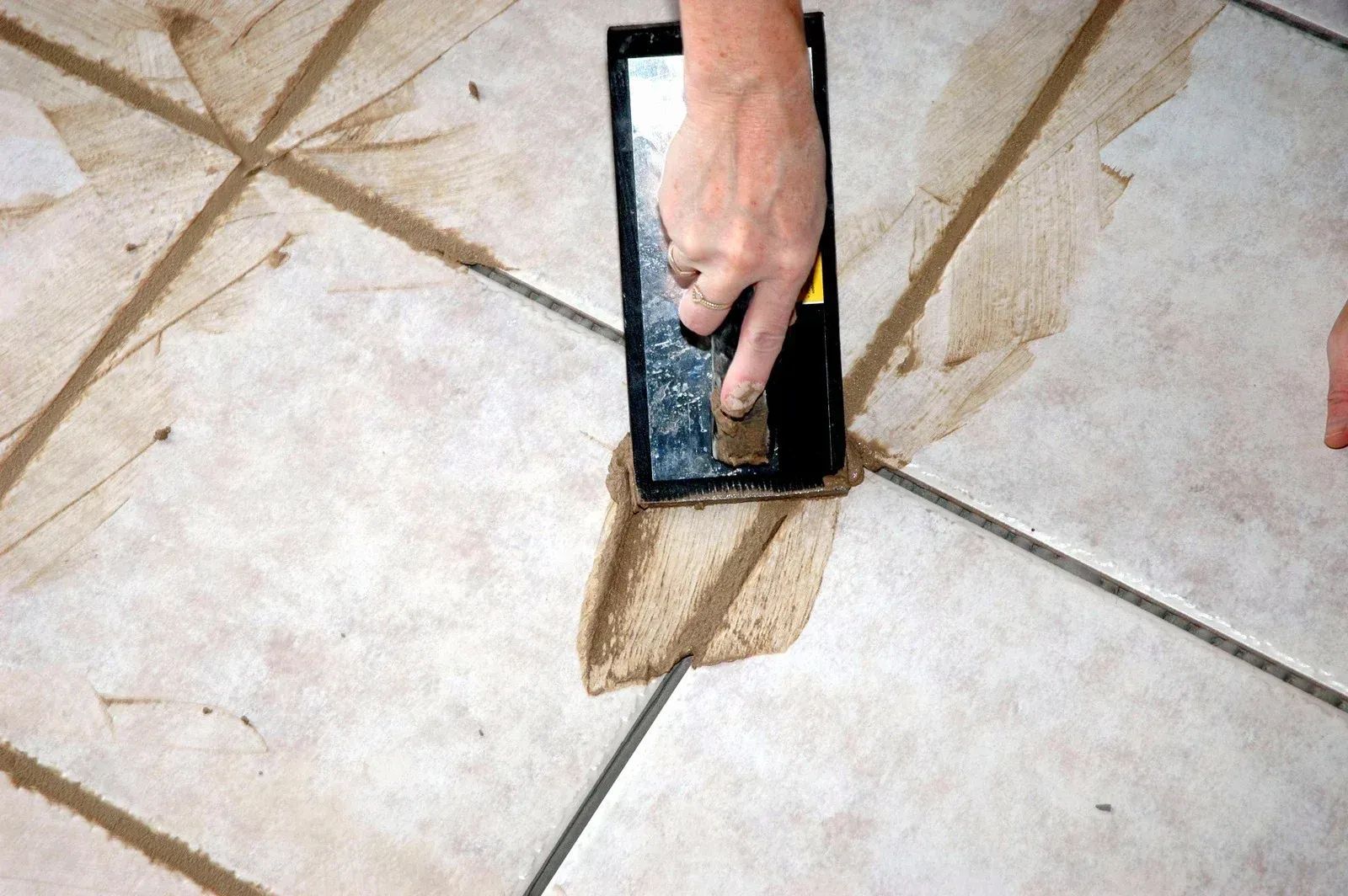
Before You Gut Your Shower: Why Restoration Is the Smarter First Step for Homeowners
Many homeowners assume that a worn, stained, or outdated shower automatically requires a full demolition and replacement. Cracked grout, loose tiles, mold growth, discoloration, and recurring leaks often create the impression that the entire bathroom has reached the end of its lifespan. In reality, many shower problems begin at the surface level and can often be corrected through professional restoration instead of expensive reconstruction. As renovation costs continue rising, more property owners are looking for practical ways to improve bathroom appearance and performance without committing to a complete remodel. Shower restoration has become an increasingly valuable solution because it addresses visible damage, moisture concerns, and aging materials while preserving much of the existing structure.
Choosing restoration before demolition allows homeowners to make informed decisions based on the actual condition of the shower rather than assumptions. Professional restoration services can repair grout lines, reseal surfaces, replace damaged caulking, remove mold buildup, and restore tile appearance while extending the lifespan of the shower system. This approach not only reduces costs and disruption but also helps homeowners avoid unnecessary construction waste and lengthy renovation timelines. Understanding when restoration is the smarter first step can help protect both the property and the renovation budget.
Understanding What Shower Restoration Really Includes
Surface Repairs vs. Full Replacement
Many shower issues that appear severe are often isolated to grout joints, sealants, or surface deterioration rather than structural failure. Homeowners frequently notice cracked grout, stained tile, soft caulking, or mildew buildup and immediately assume demolition is the only solution. However, professional restoration focuses on identifying the actual source of the problem before recommending replacement.
Shower restoration typically includes grout repair, grout recoloring, tile reattachment, deep cleaning, caulking replacement, sealing, and moisture management. These services target the most vulnerable areas of the shower without removing the entire installation. When handled properly, restoration can dramatically improve both appearance and functionality while preserving sound materials already in place.
Identifying the Real Source of Damage
Surface-level symptoms often create confusion during bathroom evaluations. Water stains, discoloration, or mold growth may look alarming, but these problems do not always indicate hidden structural deterioration. Professional inspection helps determine whether moisture has penetrated beneath the tile assembly or remains limited to accessible surface areas.
For example, a homeowner may notice water leaking outside the shower door and assume the shower pan has failed. After inspection, the issue may simply involve deteriorated caulking around corners or worn grout joints, allowing water to escape during use. Addressing these isolated failures through restoration can resolve the issue without major demolition.
Why Restoration Often Makes More Financial Sense
Lower Upfront Costs for Homeowners
Complete shower replacement involves demolition, debris removal, plumbing adjustments, tile installation, waterproofing, material purchases, and labor expenses. Costs can rise quickly once hidden problems are discovered behind walls or beneath flooring. Restoration offers a more controlled and affordable alternative for many homeowners.
Professional restoration services generally focus on repairing existing surfaces rather than rebuilding the entire shower system. This significantly reduces labor hours, material costs, and construction-related expenses. Homeowners can often restore a shower for a fraction of the price of a full remodel while still improving appearance and performance.
This cost difference becomes especially important for families preparing to sell a home, managing renovation budgets, or updating secondary bathrooms. Restoration allows homeowners to improve bathroom condition without delaying other necessary property improvements.
Avoiding Hidden Renovation Expenses
Bathroom demolition frequently uncovers additional problems that increase project costs unexpectedly. Once walls or flooring are opened, contractors may discover water damage, plumbing corrosion, framing deterioration, or outdated materials requiring replacement. These issues can significantly extend project timelines and increase expenses beyond the original estimate.
Restoration avoids much of this risk because the majority of the existing shower structure remains intact. Instead of opening walls and removing entire assemblies, restoration targets accessible areas that need repair or improvement.
For example, a homeowner planning a basic shower replacement may eventually face added expenses for plumbing upgrades, subfloor repairs, waterproofing reconstruction, and tile layout modifications. Restoration minimizes the likelihood of these cascading costs while still improving the shower’s condition and usability.
The Benefits of Preserving Existing Tile and Materials
Maintaining Bathroom Character and Design
Many older bathrooms contain high-quality tile materials that would be expensive or difficult to replicate today. Natural stone, decorative ceramic tile, and custom layouts often contribute significant visual character to a bathroom. Demolition may permanently remove features that still hold value and remain structurally sound.
Restoration allows homeowners to preserve these materials while correcting the issues that make the shower appear worn or neglected. Repaired grout lines, refreshed caulking, deep cleaning, and sealing can dramatically improve the appearance of existing tile installations.
This approach is especially valuable in homes where the bathroom design complements the architecture of the property. Preserving original materials can maintain visual consistency while still modernizing the overall appearance of the space.
Reducing Construction Waste
Full bathroom demolition creates substantial amounts of construction debris. Tile, drywall, mortar, fixtures, and flooring materials often end up in landfills even when portions of the installation remain usable. Restoration supports a more practical and environmentally conscious approach by preserving much of the original structure.
Homeowners increasingly value renovation methods that improve living spaces while minimizing unnecessary waste. Restoration aligns with this goal by extending the life of existing materials rather than replacing them prematurely.
Common Shower Problems That Restoration Can Solve
Cracked Grout and Missing Caulking
Grout and caulking serve as protective barriers that help prevent moisture intrusion around tile installations. Over time, these materials may crack, shrink, discolor, or separate from surfaces due to age, movement, humidity, and repeated water exposure.
Professional restoration replaces failing grout and caulking while restoring water resistance throughout the shower. Regrouting and resealing help prevent further moisture penetration while improving the appearance of tile surfaces.
A homeowner noticing dark grout lines or peeling caulk may not need complete replacement at all. Addressing these vulnerable areas early can prevent more extensive deterioration from developing later.
Mold, Mildew, and Staining
Bathrooms naturally experience high humidity and moisture levels, making showers vulnerable to mold and mildew buildup. Poor ventilation, porous grout, and trapped moisture often contribute to discoloration and unpleasant odors.
Restoration services typically include deep cleaning processes that remove mold, soap scum, hard water deposits, and staining from grout and tile surfaces. Sealing restored grout afterward helps reduce future moisture absorption and staining concerns.
In many homes, restored surfaces look dramatically newer after professional treatment. Homeowners often discover that years of discoloration can be corrected without replacing the shower itself.
Loose or Hollow Tiles
Loose tiles may result from deteriorated adhesive, moisture exposure, or minor substrate movement. While some homeowners assume loose tiles indicate total shower failure, isolated areas can often be repaired individually.
Professional restoration may involve removing affected tiles, correcting the underlying issue, and reinstalling matching materials without disturbing the remainder of the shower. This targeted approach protects the overall installation while resolving the damaged area.
Prompt repairs also help prevent water from reaching underlying surfaces where larger structural issues could eventually develop.
When Full Shower Replacement Actually Becomes Necessary
Structural Water Damage Behind Walls
Although restoration solves many shower problems, some situations require full replacement. Severe water intrusion behind walls or beneath flooring may compromise framing, insulation, or subfloor materials. In these cases, restoration alone may not fully resolve the damage.
Signs of structural deterioration can include soft walls, persistent leaking outside the shower, warped flooring, extensive mold growth behind surfaces, or major tile movement throughout the enclosure. Professional inspection becomes critical when these symptoms appear.
Homeowners benefit from receiving an honest assessment before choosing between restoration and replacement. A reputable professional will identify when repairs remain practical and when reconstruction becomes necessary for long-term safety.
Outdated or Failing Waterproofing Systems
Older shower installations sometimes lack modern waterproofing systems beneath the tile assembly. Over time, water may penetrate surfaces and gradually damage surrounding materials. If the waterproofing layer has failed extensively, restoring surface materials alone may not provide lasting protection.
In these situations, replacement allows contractors to rebuild the shower using updated waterproofing membranes, drainage systems, and moisture-resistant materials that improve long-term durability.
Experienced Tile Restoration Services For Lasting Bathroom Protection
Shower restoration offers homeowners a practical alternative to costly demolition when tile surfaces, grout lines, and moisture barriers remain largely intact. Many visible shower problems stem from aging grout, deteriorated caulking, staining, or isolated tile damage rather than complete structural failure. Choosing restoration first allows homeowners to improve appearance, address moisture concerns, extend shower lifespan, and reduce renovation costs without unnecessary disruption. Careful inspection remains essential because not every shower requires full reconstruction. Understanding the difference between repairable wear and structural deterioration helps homeowners make informed decisions that protect both their property and budget.
At The Groutsmith (Pasco County), we provide professional grout and tile restoration services for homeowners throughout Pasco County, Florida, who want reliable solutions before committing to expensive bathroom demolition. With 10
years of hands-on experience in grout and tile restoration, we help restore showers affected by cracked grout, mold buildup, stained tile, deteriorated caulking, and moisture-related wear. Our approach focuses on preserving existing surfaces whenever possible while improving appearance, durability, and long-term performance. We understand how important it is for homeowners to receive honest recommendations based on the true condition of the shower rather than unnecessary replacement suggestions. From deep cleaning and grout repair to sealing and tile restoration, we help homeowners protect their bathrooms with dependable restoration services designed for long-term value.
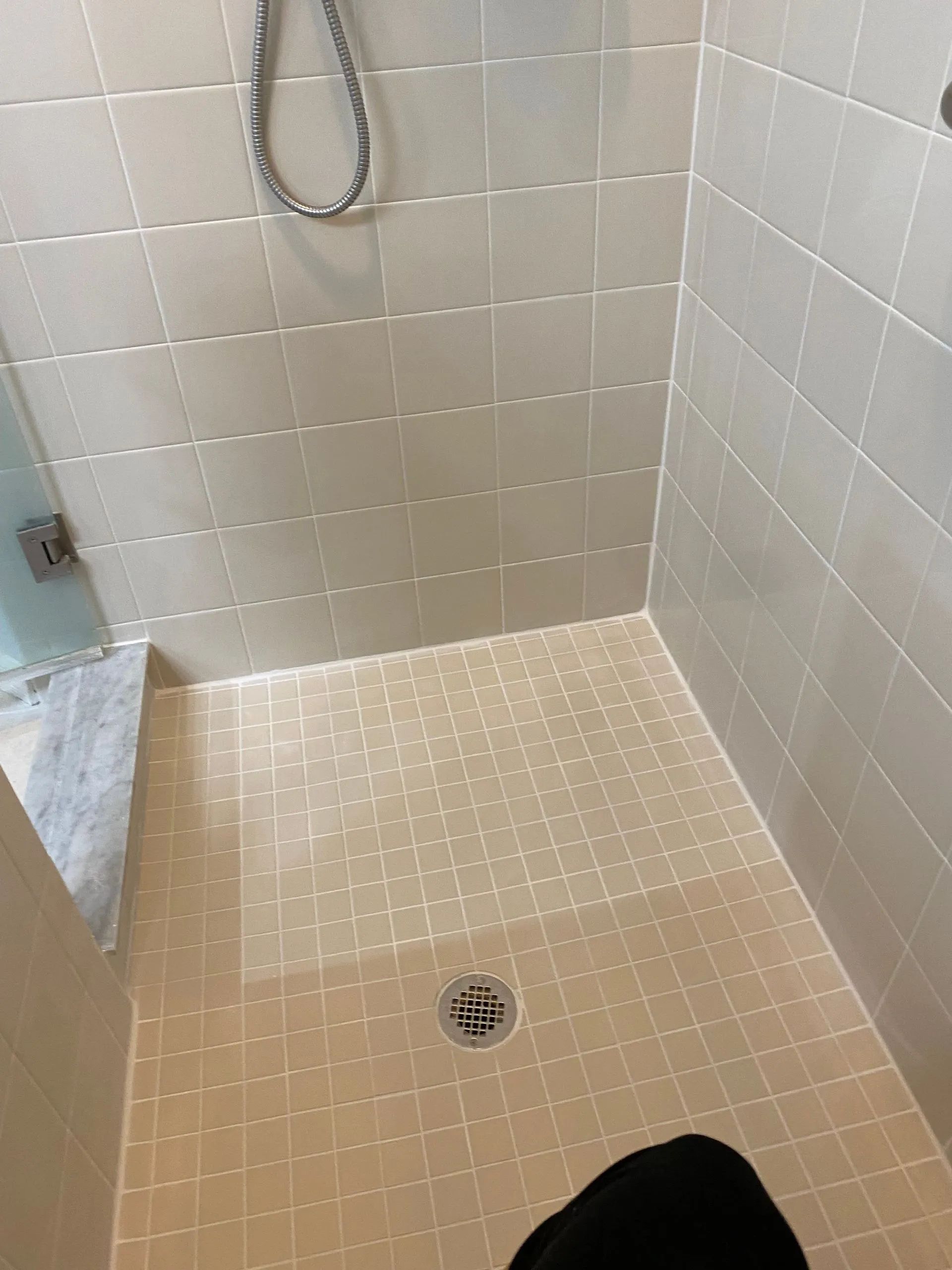
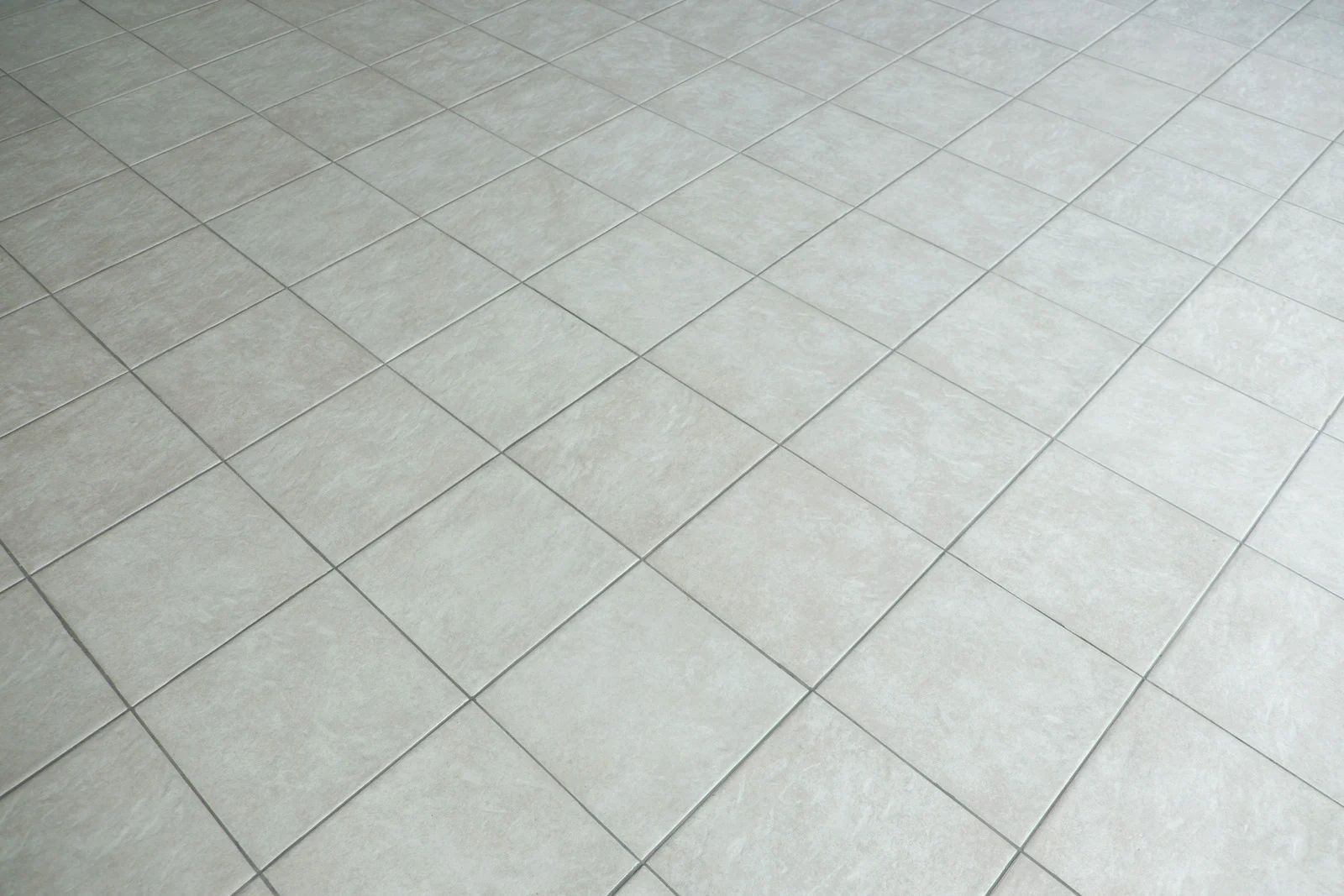
That Hollow Sound When You Step on Your Tile? Here's What It Means — And Why You Shouldn't Ignore It