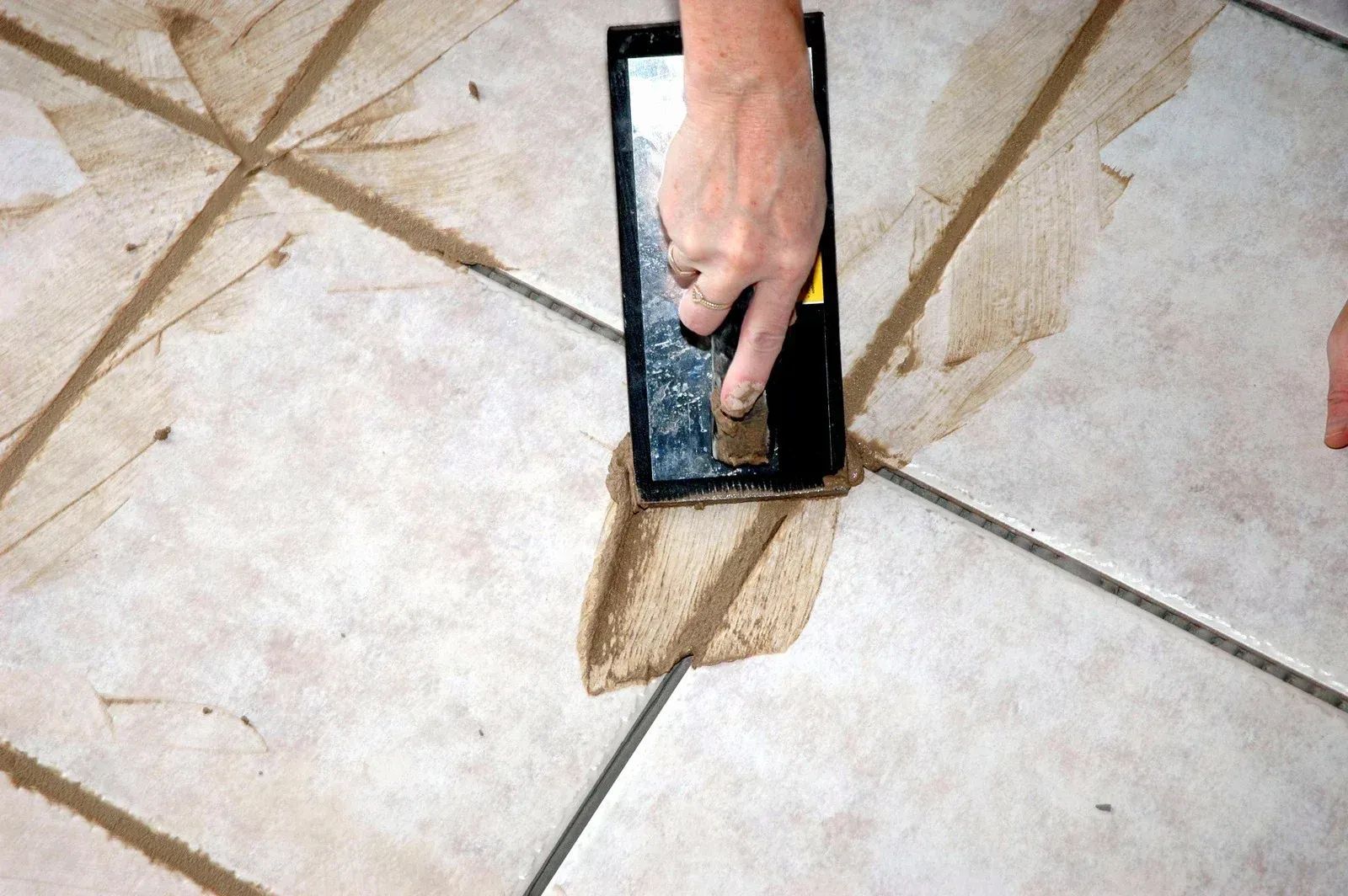
5 Warning Signs Your Shower Grout Is Failing (And What Happens If You Wait Too Long)
Shower grout plays a much bigger role in bathroom protection than many homeowners realize. While tile surfaces often receive the most attention, the grout between those tiles serves as a critical barrier that helps prevent moisture intrusion, structural deterioration, and hidden water damage. In bathrooms exposed to daily humidity, temperature fluctuations, soap residue, and standing moisture, grout naturally begins to weaken over time. Ignoring failing grout can allow water to penetrate walls, subfloors, and surrounding materials, leading to mold growth, loose tiles, and expensive repairs that extend far beyond the shower itself.
In the tile restoration industry, damaged
shower grout remains one of the most common problems affecting residential bathrooms. Many property owners delay repairs because grout deterioration develops gradually rather than all at once. Unfortunately, waiting too long often increases restoration costs and allows moisture damage to spread into hidden areas of the home. Recognizing these issues early also creates opportunities for professional restoration before more serious damage develops behind walls and beneath flooring surfaces over time.
Cracked or Missing Grout Lines
Why Cracks Develop in Shower Grout
Cracked grout lines are among the earliest and most visible signs of grout failure inside a shower. Over time, constant exposure to moisture, heat, steam, and cleaning products weakens grout materials and causes deterioration between tiles. Small structural movements within walls and floors can also place pressure on grout joints, eventually leading to visible fractures. In many bathrooms, aging grout loses flexibility and becomes brittle, making cracks more likely to appear around corners, shower floors, and heavily used areas.
Hairline cracks may initially seem cosmetic, but even tiny openings create pathways for water intrusion. Moisture entering behind tile surfaces often spreads unnoticed into drywall, cement board, insulation, and wooden framing materials. Once trapped beneath the tile surface, water becomes difficult to detect until larger problems begin appearing elsewhere in the bathroom.
What Happens If You Ignore Cracked Grout
Ignoring cracked or missing grout often allows water damage to escalate steadily over time. Homeowners may eventually notice loose tiles, soft drywall, peeling paint, or musty odors developing near the shower area. In severe cases, prolonged moisture exposure weakens structural materials behind the walls and contributes to mold growth throughout surrounding spaces.
For example, many homeowners only discover serious shower damage after tiles begin shifting or sections of flooring become unstable beneath their feet. At that point, restoration frequently involves removing tile, replacing damaged backer board, repairing framing materials, and addressing moisture contamination behind the walls. Early grout repair helps prevent these larger restoration projects and protects the overall integrity of the bathroom.
Persistent Discoloration and Staining
When Cleaning No Longer Solves the Problem
Discolored grout is another major warning sign that shower grout may be failing. While surface dirt and soap residue can darken grout temporarily, persistent staining that returns quickly after cleaning often indicates deeper moisture absorption within porous grout lines. Grout naturally absorbs water over time, especially when sealing protection begins wearing away. Once moisture penetrates deeply into the grout, it traps minerals, soap buildup, bacteria, and contaminants beneath the surface.
Many homeowners repeatedly scrub stained grout without realizing the underlying issue extends beyond ordinary dirt accumulation. Darkened grout joints around shower corners, floor seams, and lower wall sections often suggest long-term moisture retention occurring inside the material itself.
Moisture Retention Creates Bigger Risks
When grout remains saturated for extended periods, the bathroom environment becomes increasingly vulnerable to mildew and mold growth. Persistent moisture also weakens surrounding tile adhesives and contributes to gradual tile movement. In some cases, homeowners notice grout becoming soft or powdery as internal deterioration progresses.
Bathrooms with poor ventilation tend to experience faster grout discoloration because humid conditions allow moisture to linger longer after showers. Steam accumulation combined with inadequate airflow accelerates grout breakdown and encourages microbial growth throughout the shower enclosure.
Professional grout restoration addresses both the visible staining and the underlying moisture issues contributing to discoloration. Restoring grout early helps improve bathroom hygiene, preserves tile appearance, and reduces the risk of hidden water damage spreading into adjacent areas of the home.
Loose or Shifting Tiles
Tile Movement Often Signals Deeper Problems
Loose shower tiles rarely occur without an underlying cause. In many cases, deteriorating grout allows moisture to penetrate beneath the tile surface, weakening the adhesive materials responsible for holding tiles securely in place. As water continues spreading behind the walls or beneath the floor, tiles begin loosening, shifting, or lifting away from the surface entirely.
Tile movement commonly develops gradually. Homeowners may first notice a hollow sound when tapping certain tiles or slight movement under pressure while standing inside the shower. Corners and lower wall sections often experience the earliest signs because these areas receive frequent water exposure.
Delayed Repairs Increase Restoration Costs
Waiting too long to address loose tiles usually leads to larger structural concerns. Moisture trapped behind the tiles continues spreading into surrounding materials, causing adhesives to fail further and increasing the number of affected tiles. Eventually, entire sections of tile may require removal to access water-damaged surfaces behind the shower walls.
In real-world restoration projects, small tile movement often reveals extensive hidden damage once demolition begins. Saturated drywall, rotted framing materials, and mold contamination frequently develop behind loose shower tiles that were ignored for months or years. What initially required a minor grout repair can quickly evolve into a major bathroom reconstruction project.
Professional inspections help identify the source of tile movement before damage spreads further. Addressing deteriorating grout and moisture intrusion early allows homeowners to preserve more of the original tile installation while avoiding extensive reconstruction expenses.
Mold, Mildew, and Musty Odors
Why Failing Grout Encourages Mold Growth
One of the clearest signs of grout failure involves recurring mold or mildew inside the shower. Bathrooms naturally create humid environments, but properly sealed grout helps limit moisture penetration and reduce conditions that support microbial growth. Once grout begins cracking, separating, or absorbing excess moisture, hidden damp areas develop behind the tile surface where mold can thrive.
Black spots appearing repeatedly along grout joints, corners, or caulk lines often indicate ongoing moisture intrusion. Even after cleaning visible mold, underlying moisture trapped behind damaged grout allows contamination to return quickly. Persistent musty odors are another strong indication that moisture problems may exist beneath the tile surface.
Hidden Moisture Can Affect Indoor Air Quality
Ignoring mold growth linked to failing grout can create broader concerns throughout the home. Mold spores may spread into surrounding areas through ventilation systems or air circulation inside the bathroom. Excess moisture also contributes to the deterioration of nearby drywall, cabinetry, trim, and painted surfaces.
Homeowners sometimes attempt temporary cosmetic fixes without resolving the root cause of the moisture intrusion. Painting over stains or repeatedly bleaching grout surfaces rarely stops the underlying damage from progressing. Without proper restoration, damp conditions remain active behind the walls.
Professional grout restoration helps eliminate the pathways allowing water intrusion while restoring a cleaner, healthier bathroom environment. Identifying moisture problems early reduces the likelihood of widespread mold remediation and helps preserve indoor air quality throughout the home.
Soft, Crumbling, or Powdery Grout
Physical Deterioration Indicates Advanced Wear
Grout should remain solid, firm, and tightly packed between tiles. When grout becomes soft, crumbly, sandy, or powdery to the touch, it often signals advanced deterioration caused by age, moisture exposure, or improper installation. In many showers, years of water exposure gradually break down the internal structure of grout materials until they begin to disintegrate.
Homeowners may notice small grout particles collecting around the shower floor drain or sections of grout falling out during cleaning. These symptoms indicate the grout has lost structural integrity and can no longer provide reliable moisture protection between tiles.
Water Damage Progresses Quickly After Grout Breakdown
Once grout begins crumbling, water penetration accelerates significantly because open gaps expose larger sections of the substrate beneath the tile. This increased moisture exposure often leads to rapid deterioration of surrounding materials, including backer boards, adhesives, and wooden framing structures.
Replacing deteriorated grout promptly helps restore moisture resistance before deeper structural problems develop. Professional restoration also allows experts to inspect surrounding tile conditions and identify additional vulnerabilities that may require attention.
Experienced Bathroom Surface Restoration For Long-Term Protection
Failing shower grout rarely improves without professional attention, and small warning signs often point to larger moisture problems developing beneath the tile surface. Cracked grout, persistent staining, loose tiles, mold growth, and crumbling grout lines all indicate that water may already be penetrating vulnerable areas of the bathroom. Ignoring these symptoms allows damage to spread gradually into walls, flooring systems, adhesives, and structural materials that become far more expensive to repair later. Early grout restoration helps preserve tile installations, improve bathroom hygiene, and reduce the risk of hidden moisture contamination affecting surrounding areas of the home.
At The Groutsmith (Pasco County), we provide professional grout and tile restoration services throughout Pasco County, Florida, backed by 10
years of industry experience. Our focus remains on helping homeowners protect their bathrooms from long-term moisture damage while restoring the appearance and durability of aging tile surfaces. We understand how quickly neglected grout problems can escalate into costly structural repairs, which is why we emphasize detailed inspections, reliable restoration methods, and long-lasting solutions tailored to each shower environment. From cracked grout repair and tile stabilization to deep grout restoration and sealing services, we work to restore moisture protection and improve the overall condition of residential bathrooms. Our experience in grout and tile restoration allows us to identify hidden issues early and help homeowners avoid more extensive repairs later.
That Hollow Sound When You Step on Your Tile? Here's What It Means — And Why You Shouldn't Ignore It