That Hollow Sound When You Step on Your Tile? Here's What It Means — And Why You Shouldn't Ignore It
Tile floors and walls are designed to provide long-lasting durability, visual appeal, and dependable performance in both residential and commercial spaces. However, many property owners eventually notice a hollow sound when walking across certain tiles or tapping the surface lightly. Moisture exposure, poor installation practices, shifting subfloors, and aging materials can all contribute to this problem. Left untreated, hollow tiles may eventually loosen, crack, or separate completely from the substrate underneath, leading to larger repair concerns throughout the surrounding area.
Understanding what causes hollow tiles helps property owners protect both the appearance and structural reliability of their surfaces before more serious damage develops. Early inspection and professional grout or tile restoration services can often prevent widespread deterioration while helping maintain safe, stable surfaces throughout the property. Recognizing these warning signs early allows homeowners to make informed decisions before repairs become far more extensive.
What Causes Tiles to Sound Hollow?
Weak Bonding Between Tile and Subfloor
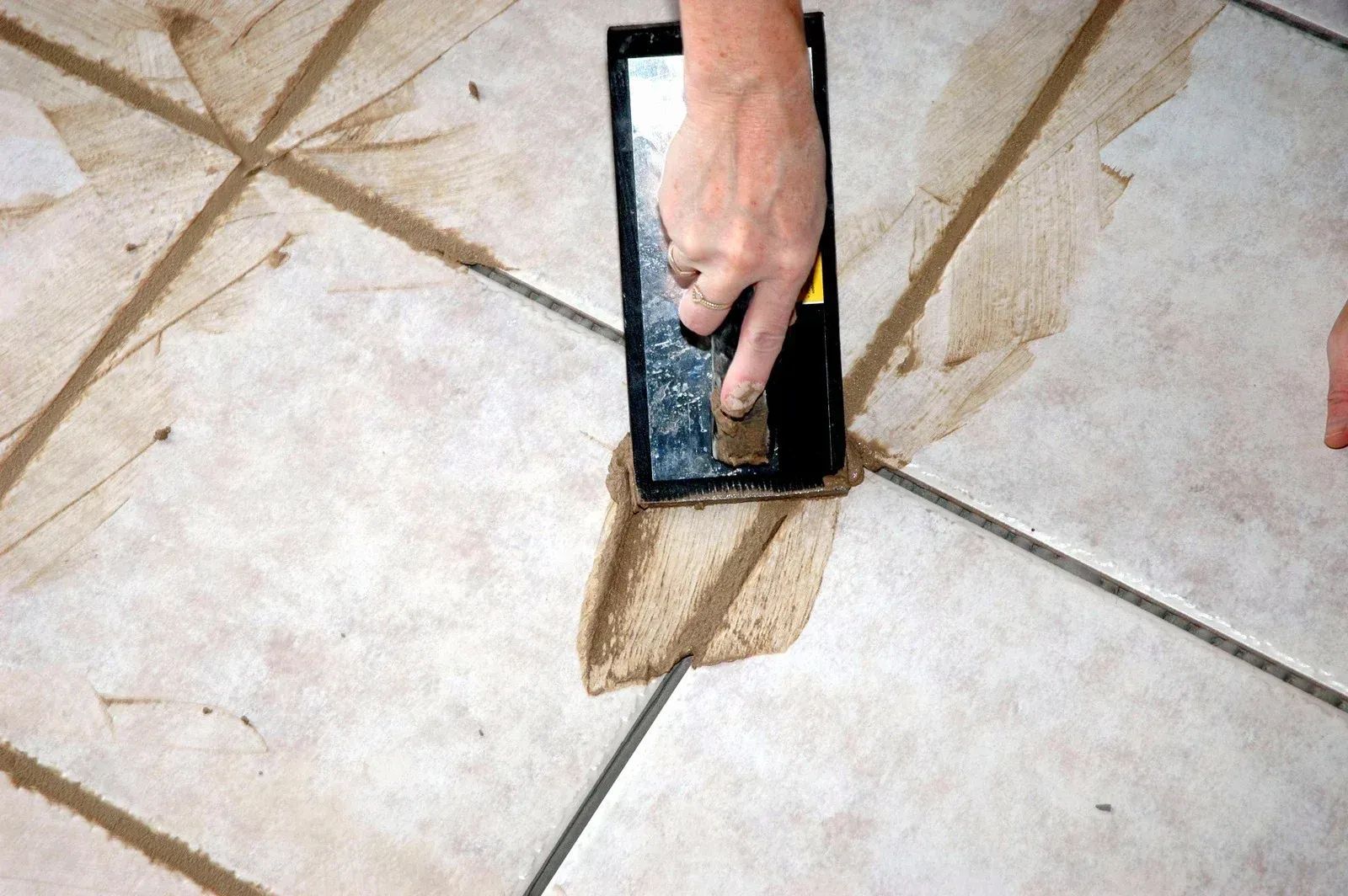
One of the most common reasons tiles develop a hollow sound involves poor adhesion between the tile and the surface underneath. During installation, thin-set mortar must be applied evenly and thoroughly to create full support beneath every tile. When gaps remain beneath the surface, air pockets form and create the hollow noise property owners hear while walking across the floor.
Improper mortar coverage often results from rushed installation methods, incorrect trowel usage, uneven spreading techniques, or failure to back-butter larger tiles. Over time, these unsupported areas weaken further under regular foot traffic. In bathrooms and kitchens, constant moisture exposure can accelerate deterioration beneath the tile surface and increase the likelihood of future movement.
Subfloor Movement and Structural Shifts
Tile surfaces depend heavily on stable foundations. When subfloors shift because of settling, moisture damage, temperature changes, or structural movement, tiles may begin separating from the bonding material underneath. Even slight movement beneath the floor can weaken adhesion and create hollow spaces beneath the surface.
Homes with wood subfloors may experience expansion and contraction during seasonal humidity changes. Concrete slabs can also shift because of settling or moisture intrusion. These structural changes gradually place stress on tile installations and increase the risk of hollow sounds, cracked grout lines, or loose tiles appearing throughout the affected area.
Moisture Intrusion Beneath Tile Surfaces
Water infiltration remains another major contributor to hollow tile issues. Bathrooms, showers, laundry rooms, and kitchens experience frequent moisture exposure that can penetrate grout joints or damaged sealants over time. Once moisture reaches the adhesive layer beneath the tile, bonding materials may begin breaking down.
In some situations, water damage can soften the substrate or create mold growth beneath the flooring system. Property owners often notice hollow sounds alongside loose grout, tile movement, staining, or unpleasant odors. Addressing moisture-related problems early helps prevent larger restoration concerns while protecting surrounding flooring materials from long-term deterioration.
Why Hollow Tiles Should Never Be Ignored
Small Problems Often Become Larger Repairs
Many homeowners assume hollow-sounding tiles represent only a cosmetic concern, but the issue usually signals deeper structural weaknesses beneath the surface. Unsupported tiles experience greater stress every time pressure is applied. Eventually, repeated movement may cause tiles to crack, loosen, or detach completely.
What begins as one isolated hollow tile can gradually spread across nearby sections of flooring if underlying conditions remain untreated. Cracked grout lines often appear next because movement transfers pressure throughout surrounding joints. Once moisture penetrates these openings, additional tiles may begin losing adhesion beneath the surface.
Ignoring early warning signs frequently leads to larger restoration costs later. Addressing the issue during its early stages usually allows repairs to remain localized instead of requiring widespread tile replacement throughout the room.
Increased Safety Concerns Inside the Home
Loose or unstable tiles create potential tripping hazards for families, guests, and visitors. Hollow areas beneath flooring reduce structural support, increasing the likelihood of sudden tile movement or breakage under pressure. In busy households, this risk becomes more serious in entryways, kitchens, bathrooms, and hallways where daily foot traffic remains constant.
Sharp tile edges from cracked or broken surfaces may also create injury risks. In moisture-prone areas, unstable flooring can contribute to slips and falls when combined with water exposure. Prompt repairs help maintain safer walking surfaces while protecting the overall integrity of the flooring system.
Hidden Water Damage May Continue Spreading
Hollow tiles associated with moisture intrusion often indicate hidden water damage beneath the visible surface. Unfortunately, many property owners remain unaware of the extent of the problem until severe deterioration develops underneath the flooring system.
Water trapped beneath tiles can damage subfloors, weaken adhesives, and encourage mold growth in concealed spaces. Over time, this moisture may spread into nearby walls, cabinetry, or adjacent flooring materials. Early inspection and restoration services help identify the source of moisture before structural repairs become significantly more expensive.
Common Signs That Hollow Tiles Need Professional Attention
Cracked or Loose Grout Lines
Grout joints often reveal the earliest signs of tile movement. When tiles lose proper support beneath the surface, pressure transfers directly into surrounding grout lines. Property owners may notice cracking, crumbling, or missing grout developing around hollow-sounding tiles.
Repeated repairs to the same grout lines usually indicate unresolved movement underneath the tile itself. Simply replacing grout without addressing the underlying cause rarely solves the issue permanently. Professional inspection helps determine whether loose tiles, moisture intrusion, or subfloor instability contribute to the problem.
Tile Movement Under Pressure
Tiles should remain firm and stable under normal foot traffic. If a tile shifts slightly, rocks under pressure, or produces clicking sounds while walked on, the adhesive bond underneath may already be failing.
Movement often becomes more noticeable in high-traffic areas where repeated pressure stresses weakened sections of flooring. In some situations, tiles may feel soft or unstable near shower entrances, kitchen sinks, or appliance areas exposed to ongoing moisture. Prompt repairs help prevent surrounding tiles from becoming affected as movement spreads.
Hollow Sounds Spreading Across Larger Areas
An isolated hollow tile may not always require full replacement immediately, but widespread hollow sounds across multiple sections often indicate larger installation concerns. Large-format tiles commonly reveal this issue because incomplete mortar coverage leaves broader unsupported areas beneath the surface.
Property owners sometimes discover entire sections of flooring producing hollow sounds while tapping across the surface. In these situations, professional evaluation becomes important to determine whether the issue stems from installation failure, moisture damage, substrate movement, or aging adhesive materials.
Professional Solutions for Hollow Tile Problems
Tile Rebonding and Spot Repairs
When caught early, some hollow tile problems can be corrected through localized repair methods instead of complete floor replacement. Tile rebonding techniques allow professionals to stabilize affected sections while preserving surrounding surfaces.
Specialized repair processes may involve carefully removing grout, injecting bonding materials beneath the tile, and restoring support underneath the hollow area. This approach often works well when the tile remains intact and moisture damage has not spread extensively beneath the floor.
Spot repairs help minimize disruption while extending the lifespan of the existing installation. However, successful repairs depend heavily on identifying and correcting the root cause of the hollow sound before further deterioration develops.
Grout Restoration and Resealing
Damaged grout lines frequently accompany hollow tile concerns. Professional grout restoration helps strengthen surrounding joints while improving moisture resistance throughout the tiled surface. Replacing cracked grout and applying high-quality sealants can reduce water penetration into vulnerable areas beneath the tile.
Proper sealing also helps protect bathrooms, kitchens, and wet areas from future moisture-related damage. While grout restoration alone may not correct structural tile movement, it plays an important role in protecting the overall installation after repairs are completed.
Full Tile Replacement for Severe Damage
In more advanced situations, extensive tile removal and replacement may become necessary. Floors affected by widespread bonding failure, severe moisture damage, or unstable substrates often require deeper restoration work beneath the visible surface.
Professional replacement services typically involve removing damaged tiles, repairing the underlying substrate, correcting moisture concerns, and reinstalling new materials using proper bonding techniques. Although larger repairs require greater investment initially, they help restore long-term durability while preventing recurring problems throughout the flooring system.
Dedicated Grout Repair Professionals Serving Pasco County Residents
Hollow-sounding tiles may seem harmless initially, but they frequently indicate underlying issues that deserve immediate attention. Weak bonding, moisture intrusion, structural movement, and installation deficiencies can all contribute to hollow spaces beneath tile surfaces. Early identification remains one of the most important steps in protecting the long-term durability and safety of tiled floors and walls. Professional inspection and restoration services help determine the true cause of hollow tile problems while preventing further deterioration from spreading across surrounding areas.
For homeowners seeking trusted grout and tile restoration services, The Groutsmith (Pasco County)
continues providing dependable solutions throughout Pasco County, Florida. With 10
years of experience in
grout and tile restoration, we understand how hollow tiles, loose grout, moisture intrusion, and deteriorating surfaces can impact both the appearance and structural reliability of residential flooring systems. Our restoration services focus on identifying the root cause of tile issues while helping homeowners preserve the long-term durability of their surfaces. We use proven repair methods, professional-grade materials, and detailed restoration techniques designed to address hidden tile concerns before they spread further across the property.